Dec. 26, 2025
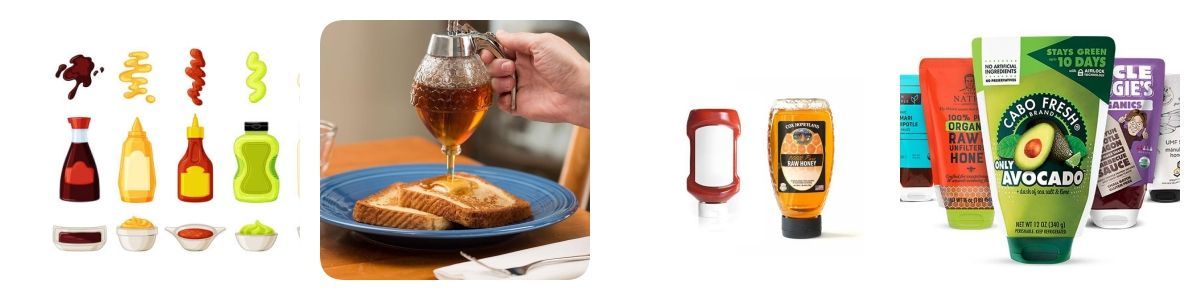
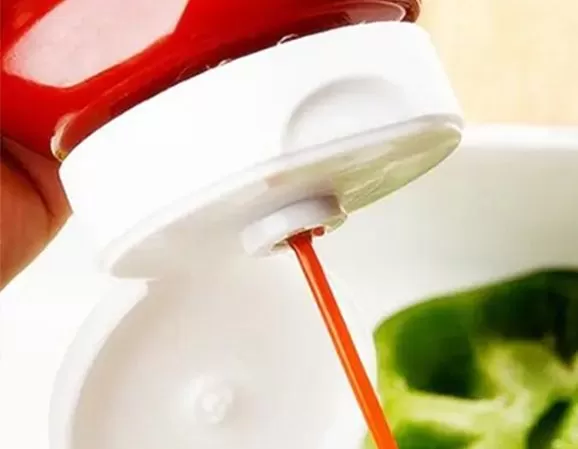
On sauce bottles and food packaging, you may notice a small, seemingly insignificant component—the silicone valve, also known as a one-way valve or breathing valve. Despite its size, this component plays a critical role: allowing internal air to escape while preventing external air from entering. This function is essential for maintaining product freshness, safety, and flavor stability throughout the shelf life.
Sealing performance is the most fundamental requirement. A high-quality silicone valve must remain completely sealed under normal pressure, preventing oxygen and moisture ingress. Poor sealing can lead to oxidation, moisture absorption, and product spoilage.
A premium silicone valve should deliver:
● Accurate opening pressure
● Consistent, controlled dispensing volume
● Dispensing angle controlled within ±15°
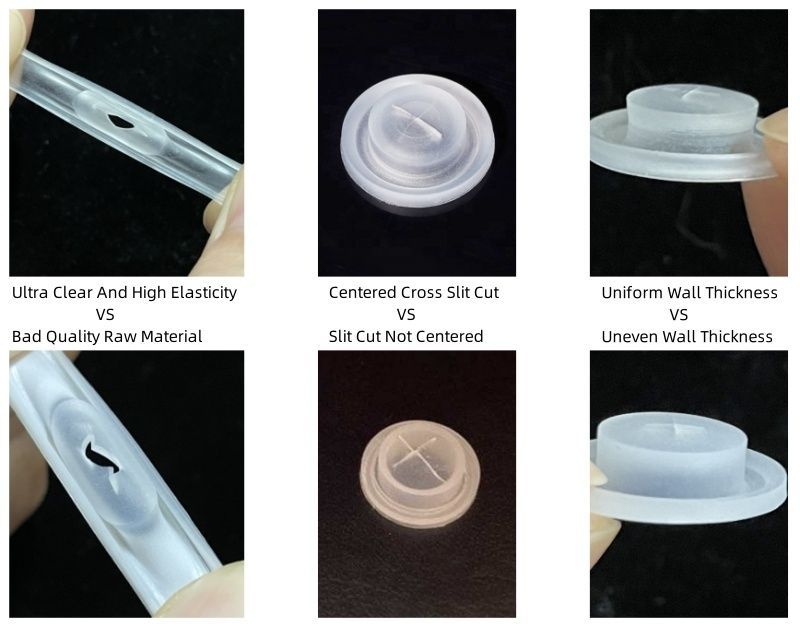
These capabilities depend on precise control of the silicone membrane thickness, hardness (Shore A), structural design, and slit-cutting process.
Because silicone valves come into direct or indirect contact with food, the material must:
● Be made from food-grade silicone
● Be odorless, non-toxic, and compliant with relevant certifications
● Resist oils, acids, and other ingredients commonly found in sauces
● Maintain stability without swelling, aging, or deformation over time
High-quality silicone valves must pass repeated performance testing, including:
● Multiple squeeze cycles with consistent slit closure
● No leakage or backflow
● Stable performance under temperature fluctuations, pressure changes, and external stress
The intense price pressure in the silicone valve market has clear structural reasons.
Silicone valves account for only a small fraction of total packaging cost, but purchase volumes often reach millions or even tens of millions of units. A price difference of just a few cents can translate into significant cost variations, making buyers highly price-sensitive.
Many silicone valves are produced using solid silicone molding with standard tooling, resulting in highly similar structures and dimensions. When technical differentiation is limited, competition shifts toward:
◆ Raw material cost reduction
◆ Tooling simplification
◆ Process shortcuts
Some suppliers compromise by using lower-grade materials or less precise tooling, driving prices down but also reducing reliability.
3. The "Good Enough" Misconception
Some buyers believe a silicone valve only needs to function initially, overlooking real-world conditions such as:
◆ Shelf lives lasting months or even over a year
◆Temperature variation during storage and transport
◆ Repeated squeezing and logistics vibration
This mindset often leads to lowest-price sourcing and accelerates unhealthy market competition.
To avoid the "low-price trap", brand owners and packaging manufacturers should consider the following:
Include measurable criteria in procurement standards, such as:
★ Slit position and geometry
★ Slit self-closing performance
★ Food-grade material certifications
★ Flash, burrs, and appearance requirements
★ Clear specifications enable objective inspection and acceptance.
Simulate real usage conditions, including:
★ Temperature cycling
★ Repeated squeeze tests
★ Oil and acidic media exposure
★ Long-term reliability matters more than initial performance.
Choose suppliers that can:
★ Provide custom valve designs based on product viscosity and formulation
★ Clearly explain technical principles
★ Offer stable, automated silicone injection molding
★ Supply real, documented test data
These suppliers focus on engineering value rather than price alone.
Silicone valve failure can result in:
★ Product leakage and waste
★ Customer complaints and returns
★ Brand reputation damage
★ Production line interruptions
Paying slightly more for a reliable silicone valve often delivers the lowest overall cost.
In the world of food packaging, the silicone valve is a silent guardian. Its true value is not measured by its unit price, but by its ability to ensure that, at the end of the product's shelf life, the flavor and quality remain exactly as intended.
Choosing the right silicone valve is not just a purchasing decision—it is an investment in product reliability and brand protection. Contact Hopewell to get free samples for testing!

Latest Post
Spout Bottle Cap with Valve: Improving Packaging with Leak-Proof and Precision Dispensing
Published on Sep. 08, 2026
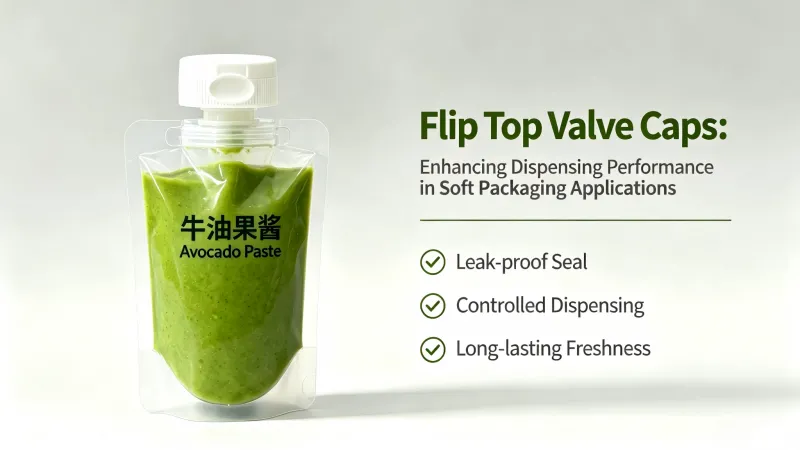
Flip Top Valve Caps: Enhancing Dispensing Performance in Soft Packaging Applications
Published on Aug. 19, 2026
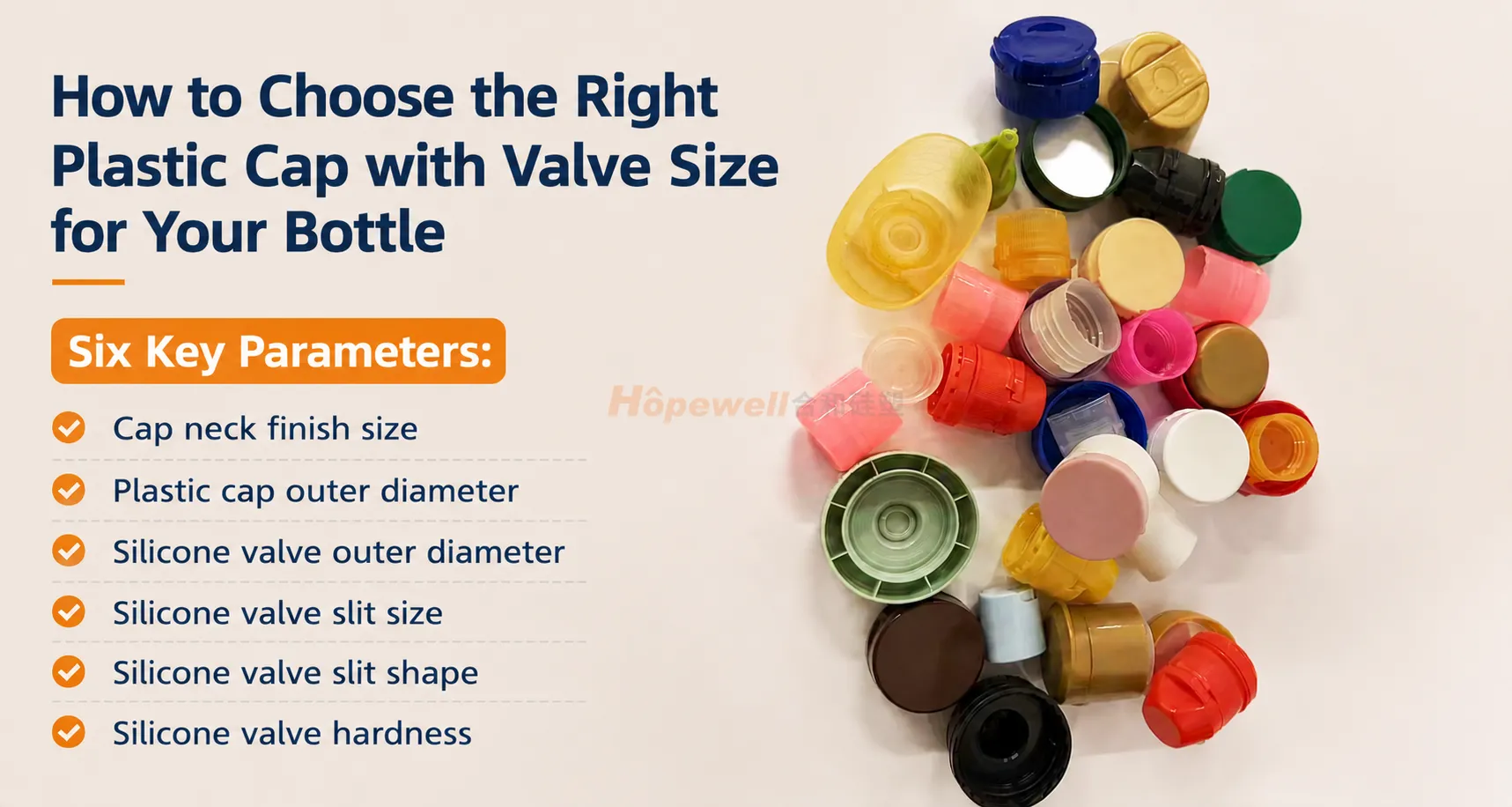
How to Choose the Right Size of Plastic Cap with Valve for Your Bottle
Published on Jul. 14, 2026
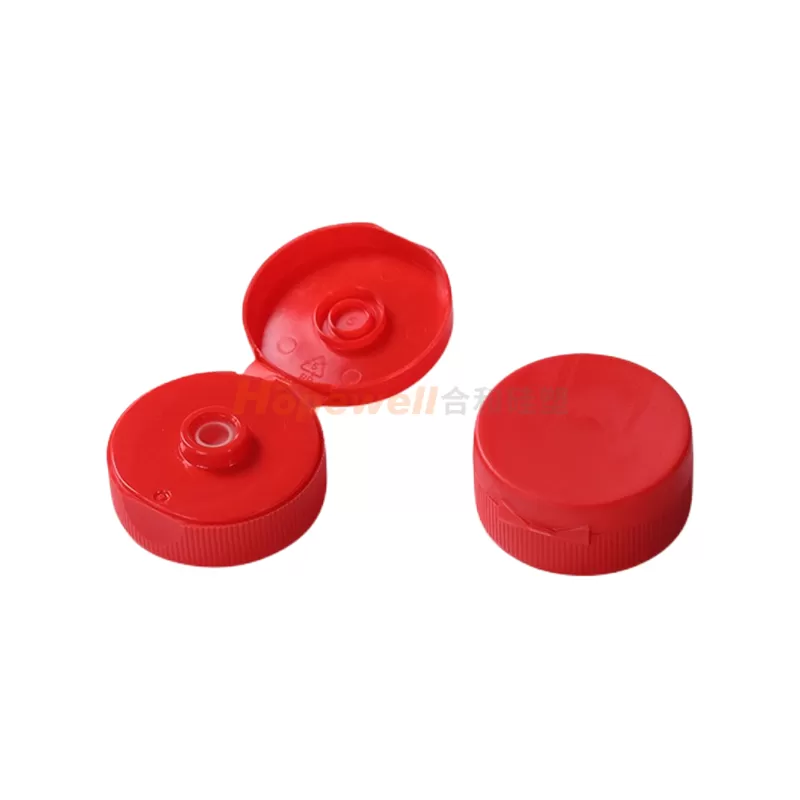
5 Reasons Ketchup Brands Switch to Silicone Valve Dispensing Closures
Published on Jun. 03, 2026
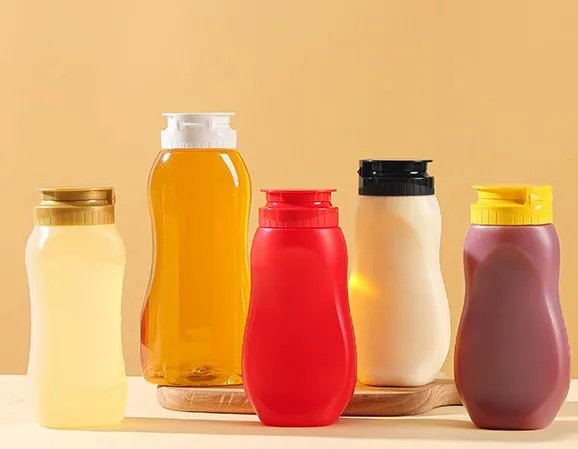
Snap Top Dispensing Cap: The Next Generation No Drip Solution for Honey and Food Packaging in 2026
Published on May. 08, 2026
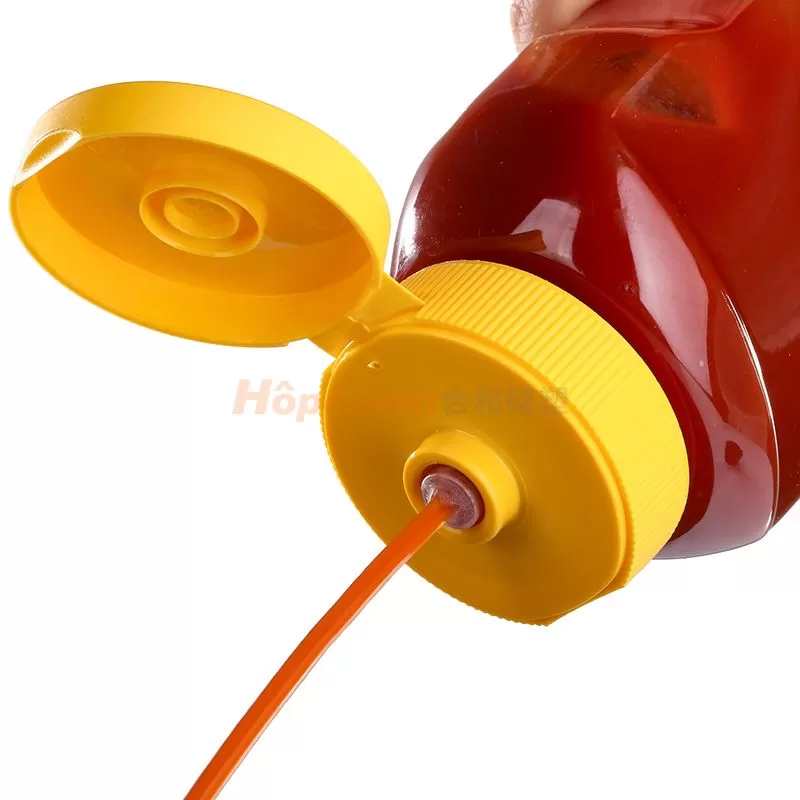
How Do Dispensing Caps Prevent Leakage?
Published on Apr. 13, 2026
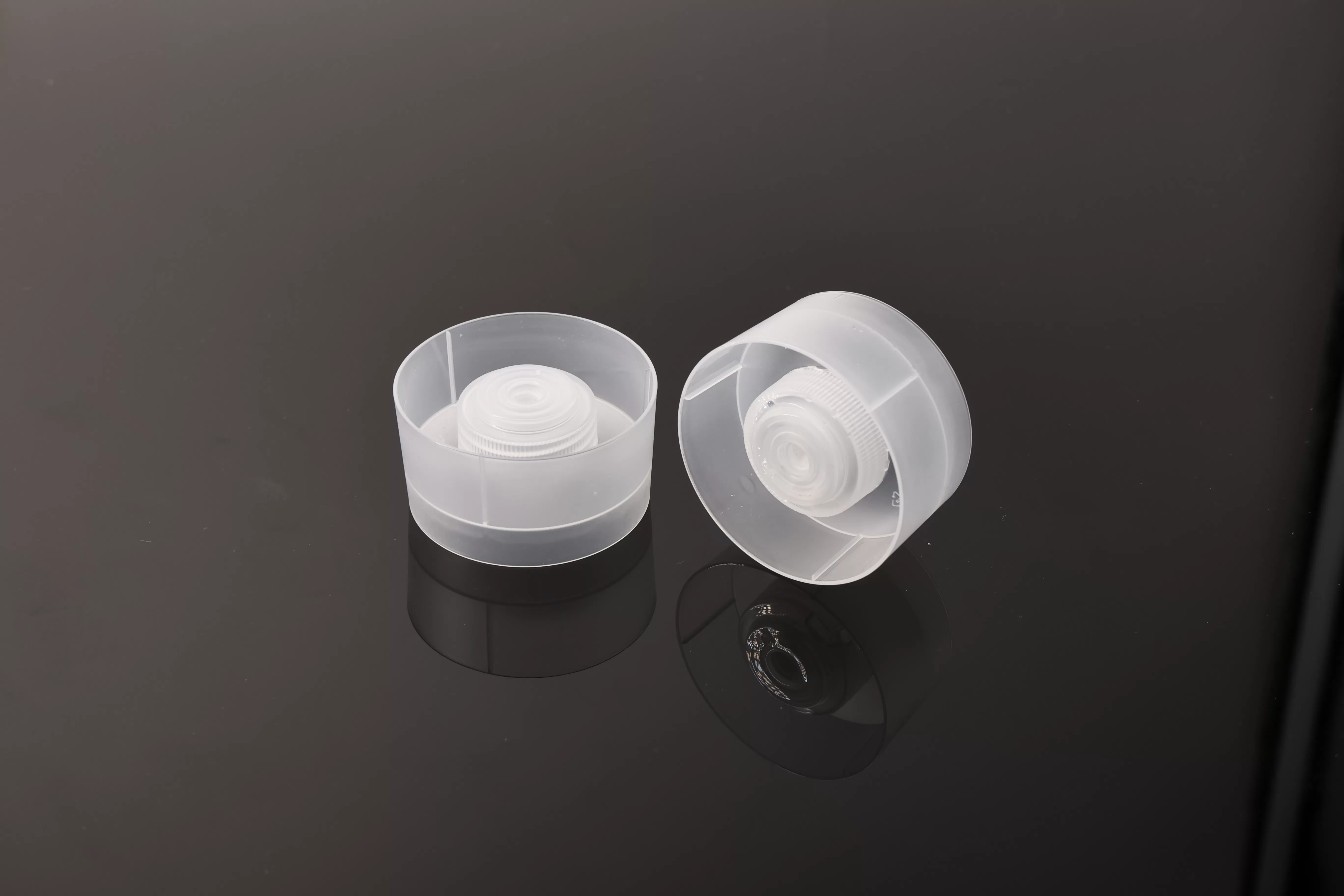
Inverted No-Flip Top Caps: A New Trend in Kitchen Cleaning Product Packaging
Published on Mar. 11, 2026
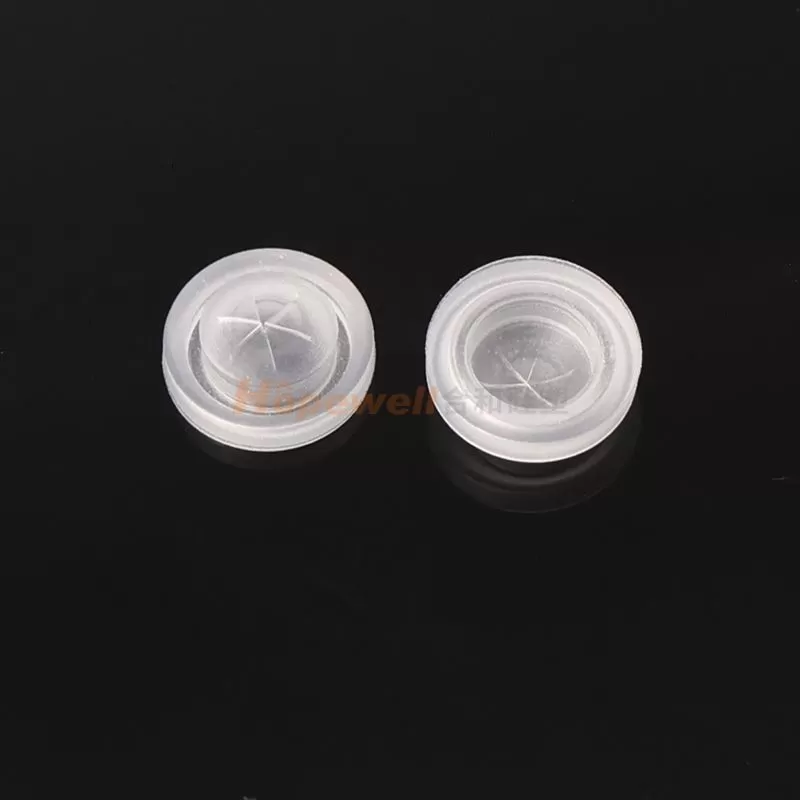
Differences Between Silicone Dispensing Valve from Different Suppliers
Published on Feb. 04, 2026
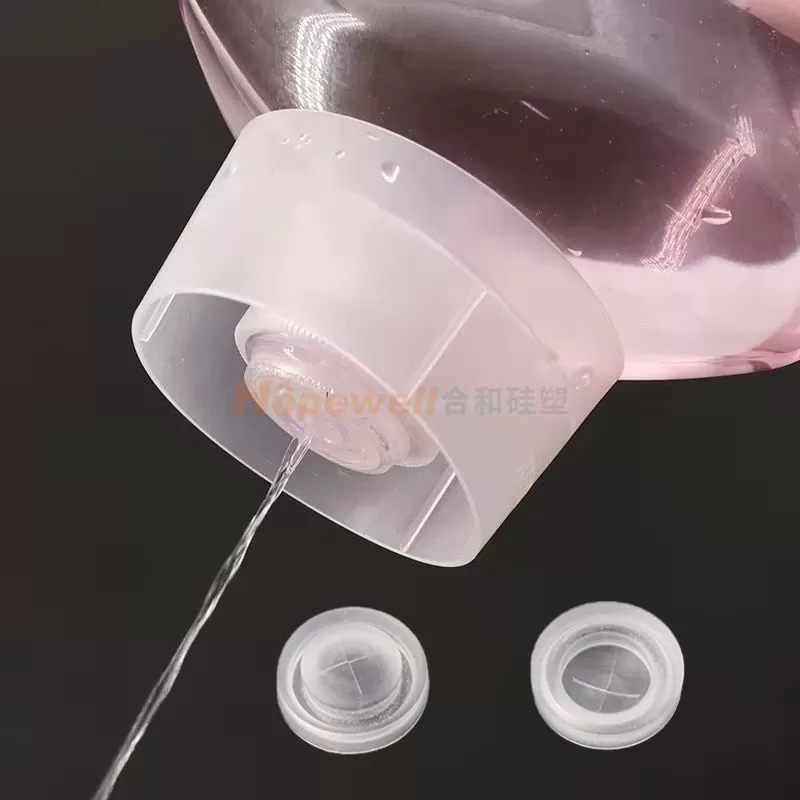
One-Way Cross-Slit Valve: Redefining Sealing and Dispensing Standards for Detergent Bottle Caps
Published on Jan. 07, 2026
Silicone Valves for Food Packaging: Quality Standards, Testing & Buying Guide
Published on Dec. 26, 2025
Navigation
Get in Touch
Mob.: +86 151 1847 9234
E-mail: rosie@siliconinjection.com
Skype: rosie@siliconinjection.com
WhatsApp: +86 151 1847 9234