Jul. 14, 2026
With the rapid growth of the food, beverage, personal care, household cleaning, and medical packaging industries, consumers are placing higher demands on packaging performance, including leak-proof sealing, controlled dispensing, and overall user experience.
As an essential component of squeeze bottle packaging, plastic caps valve offer excellent sealing performance, precise flow control, and reliable leak prevention. They are widely used for packaging products such as ketchup, honey, syrup, salad dressing, shampoo, body wash, lotions, and travel-size containers.
However, during product development, many manufacturers focus only on the bottle neck finish while overlooking the relationship between the plastic cap structure, silicone valve dimensions, slit design, and silicone valve hardness. In reality, a high-performance plastic cap with valve requires multiple design parameters to work together in order to achieve reliable sealing, leak prevention, smooth dispensing, and long service life.
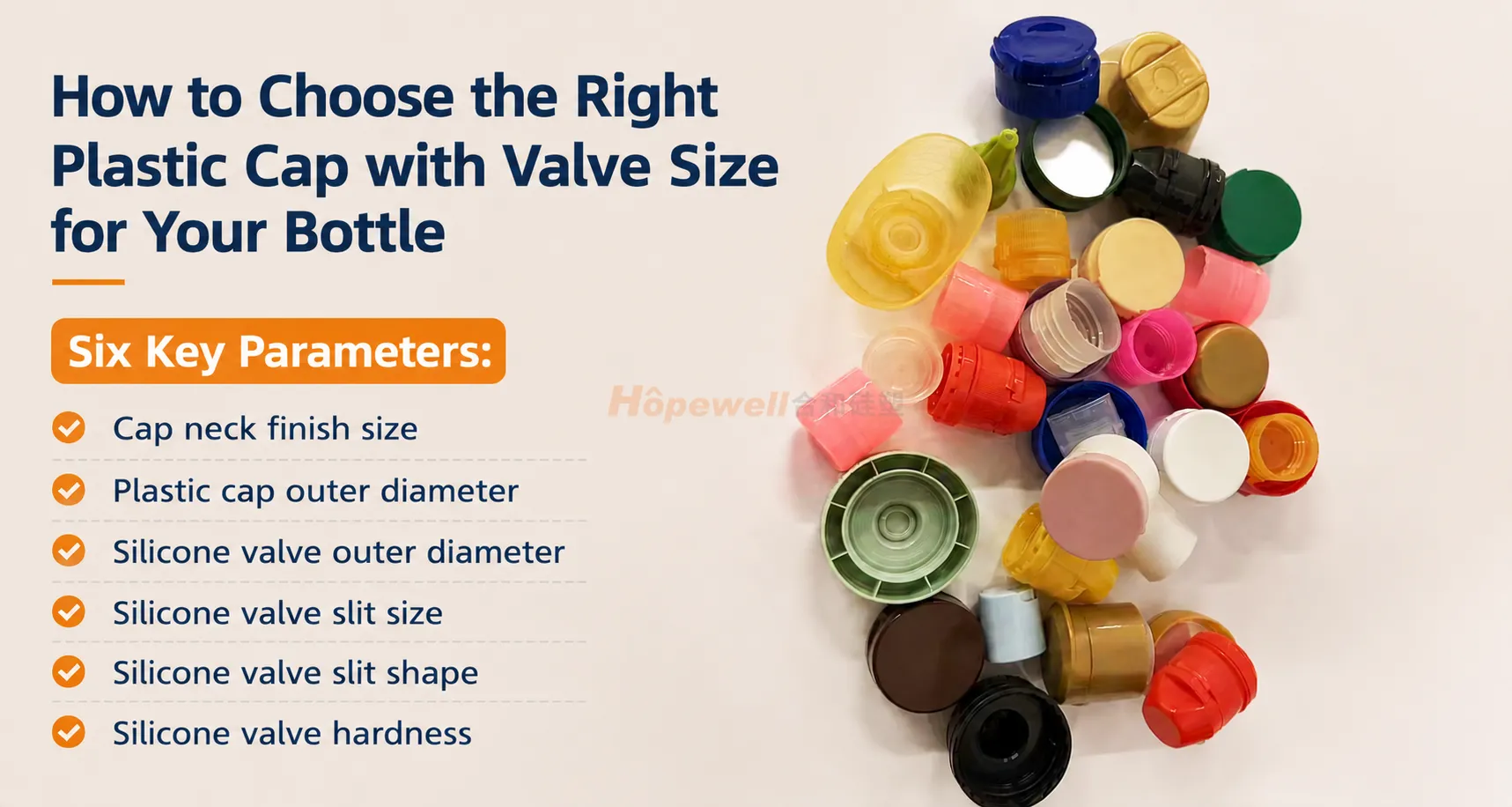
So, how do you choose the right plastic cap with valve for your product? The following six key factors deserve careful consideration.
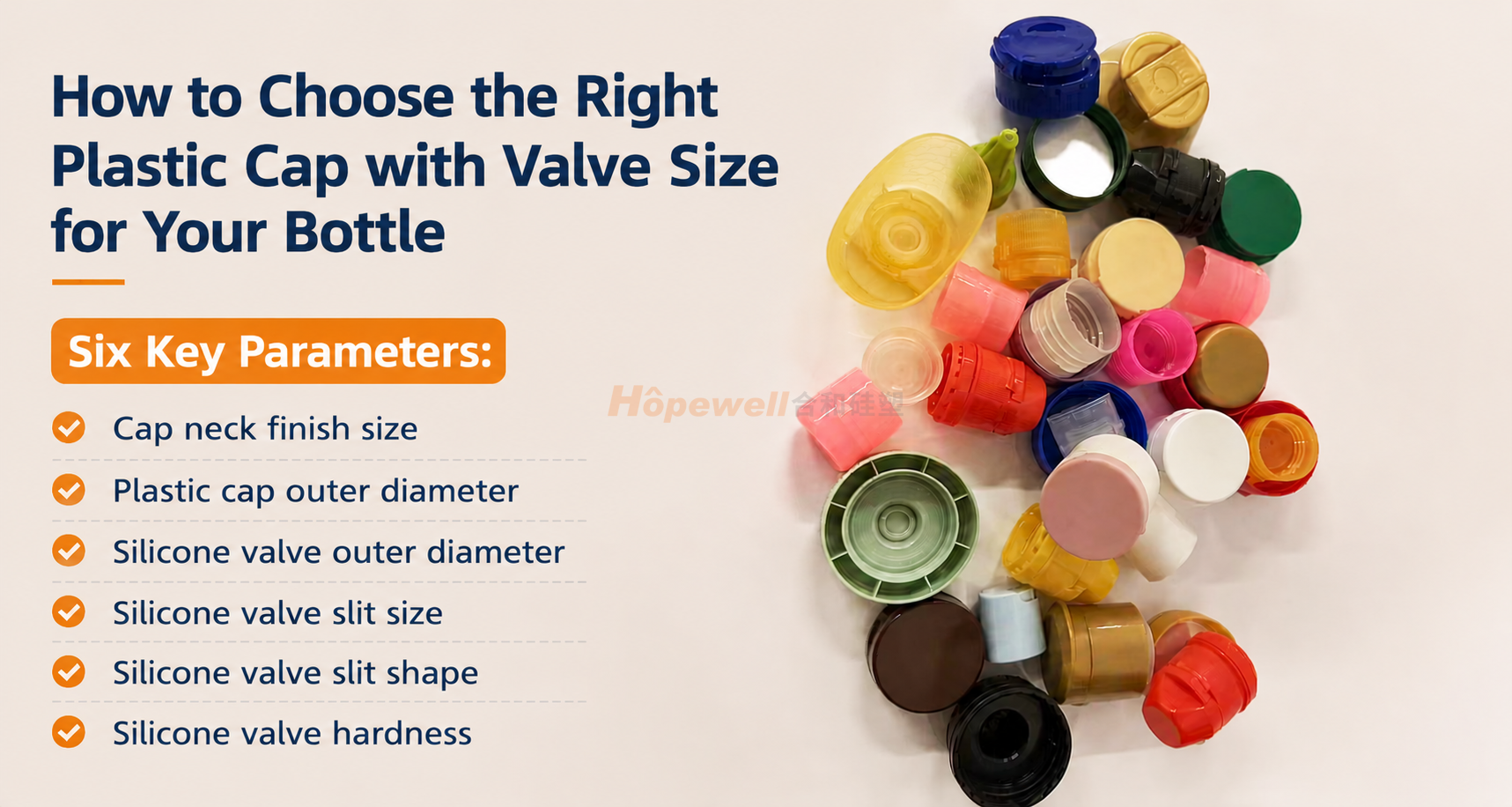
The cap neck finish is the first and most important parameter when selecting a plastic cap with valve.
Common neck finish standards include 24/410, 28/400, 28/410, 32/400, and 38/400, each featuring different thread designs and closure dimensions.
If the cap does not match the bottle neck finish, it may result in difficult assembly, poor sealing, or leakage during transportation. Therefore, confirming the correct bottle neck specification should always be the starting point of your packaging design.
After determining the cap neck finish, the next consideration is the cap's outer diameter.
A single neck finish can often be paired with different cap diameters. For example, a 38/400 neck finish may use either a 40 mm or 53 mm cap.
Smaller diameters provide a more compact and portable design, while larger diameters offer improved grip and easier opening for larger-volume packaging.
The ideal cap diameter should be selected based on product positioning, package size, consumer preferences, and overall package appearance.
The silicone valve is the core component of the dispensing cap, and its outer diameter directly affects the fit between the valve and the plastic cap.
A silicone valve that is too small may become loose, reducing sealing performance or even falling out during long-term use. Conversely, an oversized valve may create assembly difficulties, permanently compress the silicone, increase opening pressure, and negatively affect dispensing performance.
Common silicone cross slit valve diameters include: 8 mm, 9.8 mm, 10.5 mm, 13 mm, 16.5 mm, 18 mm, 21 mm etc. Each size is suitable for different flow rates and product viscosities.
For example:
9.8 mm: beverages, juice, detergents, and other low-viscosity liquids
13 mm: syrup, salad dressing, ketchup, and other medium-viscosity products
21 mm: guacamole, chili bean paste, fruit preserves with pulp, and other high-viscosity or particulate products
Selecting the appropriate silcione check valve diameter according to product viscosity and dispensing requirements is essential for achieving optimal packaging performance.
Besides the silcione one-way valve diameter, the slit size also plays a critical role in dispensing performance.
Generally speaking, a larger slit allows a higher flow rate, while a smaller slit provides more accurate dispensing control.
Common cross slit sizes include:
1.5*1.5 mm to 2*2mm: water, beverages, and other low-viscosity liquids
3*3 mm to 3.3*3.3 mm: household cleaners and medium-low viscosity products
5*5 mm to 5.5*5.5 mm: shampoo, syrup, ketchup, and similar products
6.5*6.5 mm to 7.8*7.8 mm: high-flow or high-viscosity products
11*11 mm: soybean paste, guacamole, chunky sauces, and other highly viscous or particulate applications
High-quality silicone valves should also feature centered slits, uniform wall thickness, consistent opening pressure, and proven leak resistance through 7-day * 24-hour continuous inverted leak testing, ensuring reliable long-term performance.
In addition to slit size, slit geometry also affects opening pressure, dispensing performance, and sealing reliability.
Common slit configurations include:
Cross slit
Snowflake slit
Star slit
Y slit
Straight slit
Custom slit designs
Among these, silicone cross slit valves have become the industry's preferred solution because they provide an excellent balance between leak-proof sealing and consistent dispensing performance.
For specialized products, custom slit designs can be developed according to product viscosity, flow requirements, and application scenarios to optimize user experience.
Silicone valve hardness is another critical factor that is often overlooked.
Valve hardness directly influences opening pressure, sealing performance, recovery speed, and product durability.
Silicone valve hardness is typically measured using the Shore A scale, with common values ranging from 20 to 70 Shore A.
Lower-hardness silicone valves are softer and better suited for low-viscosity liquids, while higher-hardness valves provide greater structural support, improved heat resistance, and better leak prevention for high-viscosity products.
When selecting silicone valve hardness, manufacturers should consider product viscosity, bottle squeeze force, desired flow rate, sealing requirements, and operating environment to achieve the optimal balance.
In addition to dimensional accuracy, a manufacturer's engineering capability plays a significant role in the final product quality.
An experienced supplier can provide not only standard products but also comprehensive services including:
DFM analysis
Structural optimization
Mold design
Mold manufacturing
Prototype validation
Mass production
By optimizing the cap neck finish, cap structure, silicone valve dimensions, slit design, and silicone valve hardness as a complete system, manufacturers can shorten development cycles, reduce trial-and-error costs, accelerate time to market, and ensure consistent long-term packaging performance.
Selecting a high-quality plastic cap with valve involves much more than matching the cap neck finish.
A successful dispensing solution depends on the optimization of multiple parameters, including the cap neck finish, cap outer diameter, silicone valve diameter, slit size, slit geometry, and silicone valve hardness.
Only through scientific engineering and precise dimensional matching can manufacturers achieve superior sealing, leak prevention, controlled dispensing, long service life, and an excellent consumer experience.
If you are developing packaging for food, beverages, personal care, healthcare, or household products, partnering with a professional plastic cap with valve manufacturer early in the development process for DFM analysis and prototype validation will help you create a more reliable, efficient, and market-ready packaging solution.
Latest Post
Spout Bottle Cap with Valve: Improving Packaging with Leak-Proof and Precision Dispensing
Published on Sep. 08, 2026
Flip Top Valve Caps: Enhancing Dispensing Performance in Soft Packaging Applications
Published on Aug. 19, 2026
How to Choose the Right Size of Plastic Cap with Valve for Your Bottle
Published on Jul. 14, 2026
5 Reasons Ketchup Brands Switch to Silicone Valve Dispensing Closures
Published on Jun. 03, 2026
Snap Top Dispensing Cap: The Next Generation No Drip Solution for Honey and Food Packaging in 2026
Published on May. 08, 2026
How Do Dispensing Caps Prevent Leakage?
Published on Apr. 13, 2026
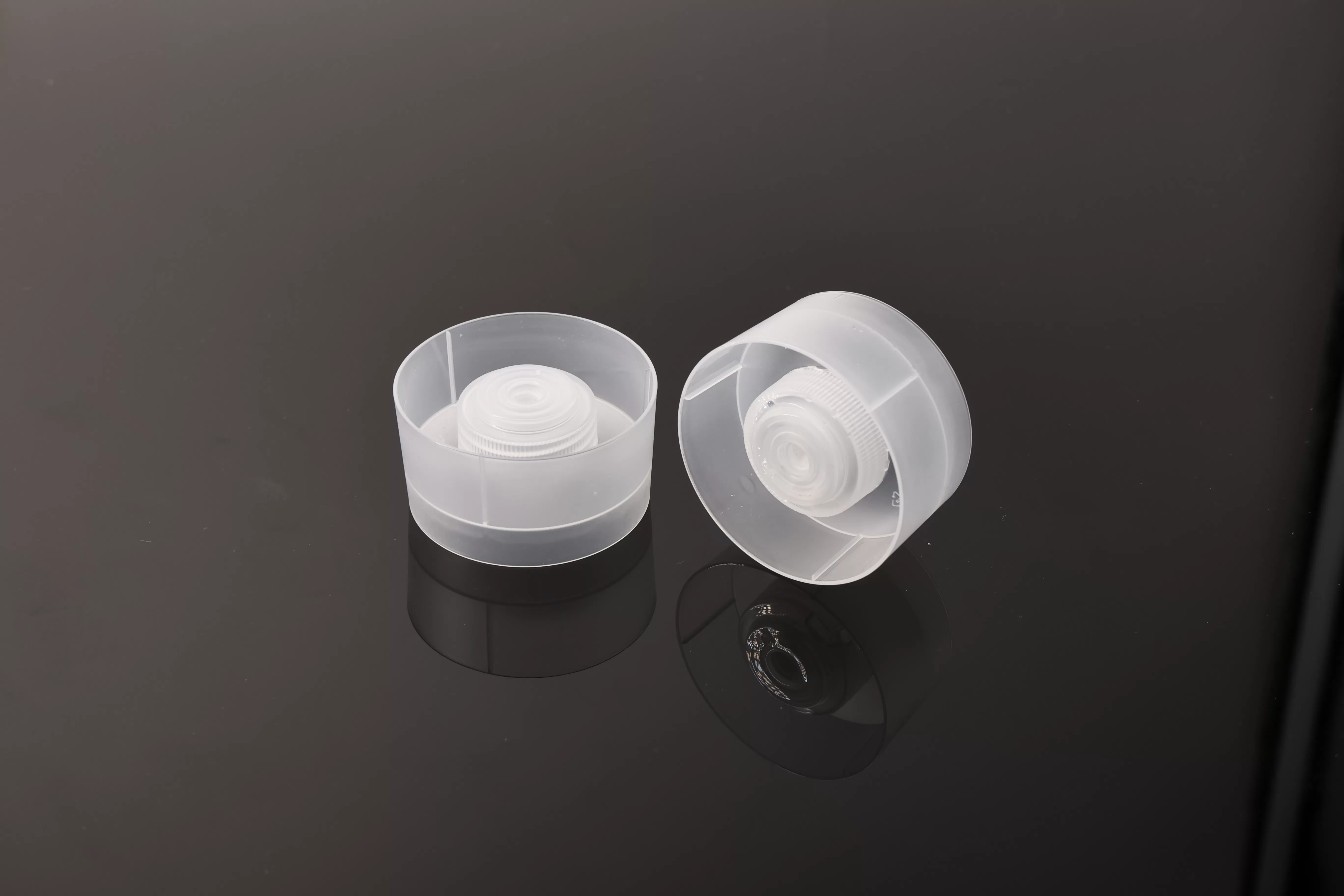
Inverted No-Flip Top Caps: A New Trend in Kitchen Cleaning Product Packaging
Published on Mar. 11, 2026
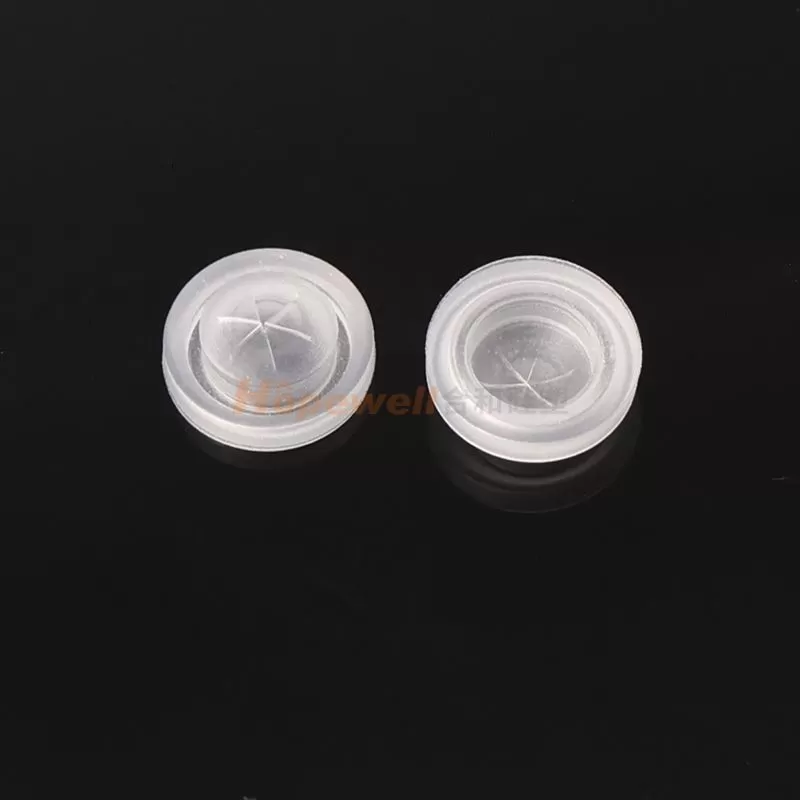
Differences Between Silicone Dispensing Valve from Different Suppliers
Published on Feb. 04, 2026
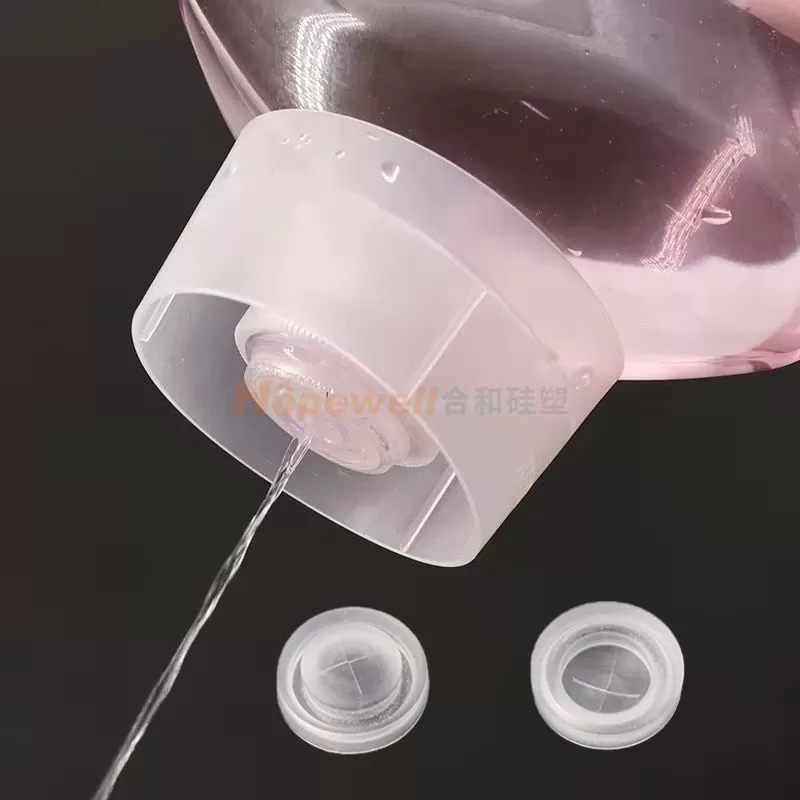
One-Way Cross-Slit Valve: Redefining Sealing and Dispensing Standards for Detergent Bottle Caps
Published on Jan. 07, 2026
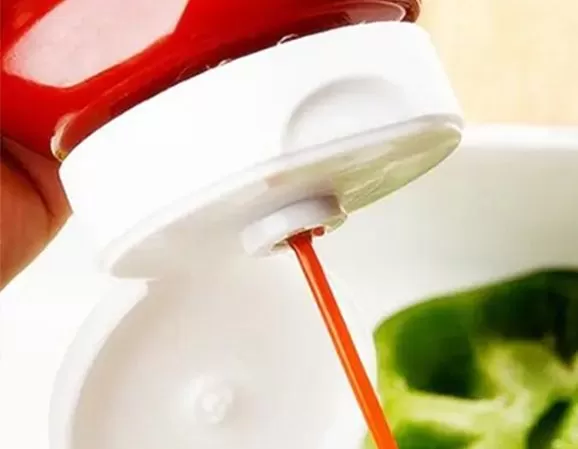
Silicone Valves for Food Packaging: Quality Standards, Testing & Buying Guide
Published on Dec. 26, 2025
Navigation
Get in Touch
Mob.: +86 151 1847 9234
E-mail: rosie@siliconinjection.com
Skype: rosie@siliconinjection.com
WhatsApp: +86 151 1847 9234